Chinese enterprises need to adjust their investment layout under the new overseas coal return policy
2021-11-08 12:11:55


On November 2, 2021, Beijing - the international environmental protection organization Greenpeace "green infrastructure overseas investment" project released the report "risks and opportunities of China's overseas energy investment under the wave of global energy transformation" (hereinafter referred to as the report).
Taking Cambodia, Vietnam and Pakistan as typical cases, the report analyzes and forecasts the future installed capacity adequacy of the three case countries according to their power consumption status and power planning, and comprehensively considers the energy transformation wishes of different host countries, so as to provide analysis and reference for China's overseas energy investors. The report found that due to incomplete technology and policies, there are major problems in the power system in South and Southeast Asian countries, and there is usually the coexistence of installed redundancy and power gap; With multiple factors such as policy shift and post epidemic global transformation consensus, the risk of Chinese investors carrying out overseas coal power projects will continue to increase.
Zhang Jing, head of Greenpeace's "green infrastructure overseas investment" project, said: "As of May 2021, China has participated in a total of 51.6gw of coal power projects in Cambodia, Pakistan and Vietnam, of which more than 16.8gw are still in progress. Under the background of China's commitment not to build new overseas coal power projects, Chinese investors need to have a variety of information on the power demand, power planning, policy change, climate objectives, global action and so on of the host country after the epidemic For more detailed identification and comprehensive evaluation, we should invest more carefully in fossil energy power projects such as coal power. "
Most countries in South and Southeast Asia are faced with the problems of installed redundancy and power shortage
According to the affected / not affected by the epidemic and the power planning of various countries, the report forecasts the installed redundancy of Cambodia, Vietnam and Pakistan in 2025 by scenario, and finds that Cambodia and Pakistan will have different degrees of power surplus.
However, due to technical constraints, the host country is affected by the power grid, power installation quality and other aspects, and the actual output of power installation is poor, which is prone to redundancy in theory, but there is still a power gap in practice. Taking Pakistan as an example, even under the scenario of relatively rapid economic recovery after the epidemic, the country will still face 21.6% ~ 23.1% power supply in the next four fiscal years Power redundancy. However, since the outbreak of power system revolving debt in 2007, coupled with the problems of high transmission and distribution loss, low recovery rate, huge capacity price and low utilization rate of power plants, Pakistan has been facing severe power shortage, which means that the current situation of power shortage can not be fundamentally solved only by the inertial thinking of new coal power.
In addition, by combing the power planning issued by the case countries, the report found that Cambodia, Vietnam and Pakistan have set high renewable energy goals in the national power planning, but the implementation is still far from achieving the goals.
The risk of coal power investment in South and Southeast Asian countries continued to rise
Under the tide of global coal withdrawal, coupled with multiple constraints such as society and environment, the risk of coal power projects being stopped or cancelled in the future is increasing continuously.
Taking Vietnam as an example, the report found that China's 3630 MW coal power projects in Vietnam are not approved or under construction. According to the new policy of China's overseas coal power investment, these projects will face great risks of cancellation and grounding.
The participation form of China's overseas coal power investment means longer-term economic risks.
In recent years, China's coal power projects in South and Southeast Asia mostly participate in the form of financial support and equity investment. Careless investment decisions will bring economic losses to Chinese participants such as banks providing loans and financing, insurance companies providing overseas investment insurance and export credit insurance.
Many countries in South and Southeast Asia adopt a two-part electricity price payment policy, and coal power projects will increase the debt pressure of the host country.
In the future, if the host country cancels the take or pay clause, in case of overcapacity, the losses caused by the inability to generate electricity will be borne by the project investor. Under the tide of global low-carbon transformation, the financial restrictions on coal power investment are becoming increasingly strict, coupled with the increasingly prominent technical and cost advantages of renewable energy, the future development of coal power will be further hindered.
Zhang Jing said: China China's China policy on one belt, one road to foreign investment, has released a positive signal that China will jointly promote energy transformation in the developing countries. In the new target of national independent contribution, China also emphasizes the green transformation of "one belt and one road" investment cooperation. In the future, Chinese investors and financial institutions should actively explore more flexible and diversified overseas investment modes of renewable energy. The host country will achieve green and low-carbon energy development. "
Overseas energy investment has always been a hot topic in the industry due to the complexity of the international market and the diversity of potential risks. In the past five years, with the enhancement of countries' intention of energy transformation, the development of renewable energy technology and the increase of investment risk of coal power projects, China's overseas coal power projects have become more and more serious. Therefore, Greenpeace suggests——
1. Relevant government decision-making and management departments in China shall clarify the scope of "no new overseas coal power" as soon as possible, guide and urge enterprises to fully consider the potential risks of long-term operation of coal power projects when formulating investment plans;
2 financial institutions such as banks and insurance companies should improve their understanding and risk assessment ability of the long-term operation market of overseas power projects, scientifically analyze the power development needs of the host country, the planning changes of the government and the impact of the epidemic on the power industry, timely identify high-risk projects, develop more flexible financial tools and increase support for renewable energy and power projects , adjust the investment direction;
3. In the future, Chinese investors should have a more comprehensive and in-depth understanding of the current situation of energy and power supply and demand in the host country and future planning. In addition to clarifying the policy direction for China to stop the construction of overseas coal-fired power projects, they should also rely on China's advanced experience and technology in the development of renewable energy, grasp the global low-carbon transformation trend and help developing countries achieve green and low-carbon energy development;
4 for existing coal power projects, investors should evaluate the potential risks and transformation possibilities of the project as soon as possible, so as to avoid greater economic losses.
Product
2021-11-25
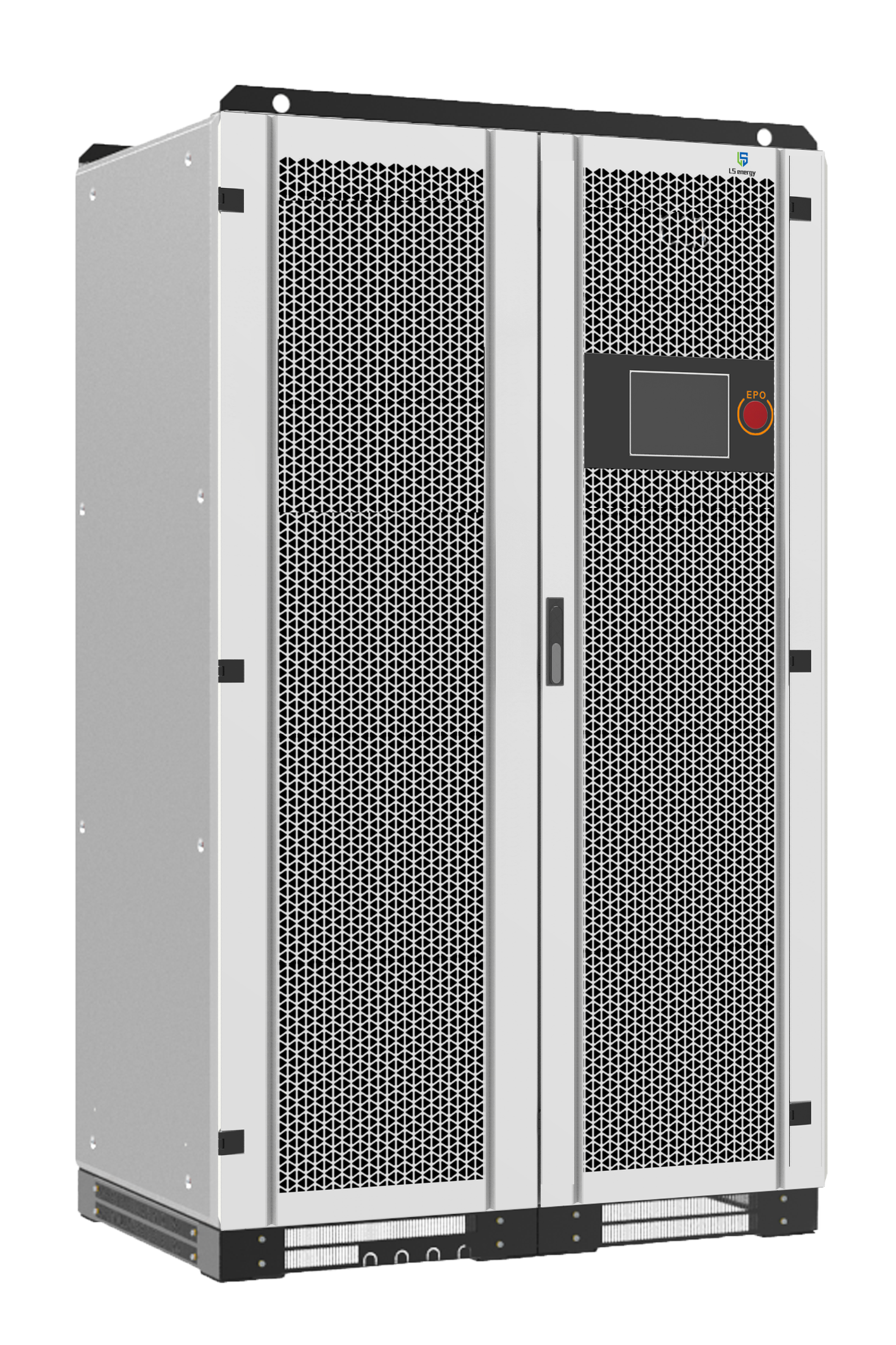
Energy Storage Hybrid Inverter
2021-11-25
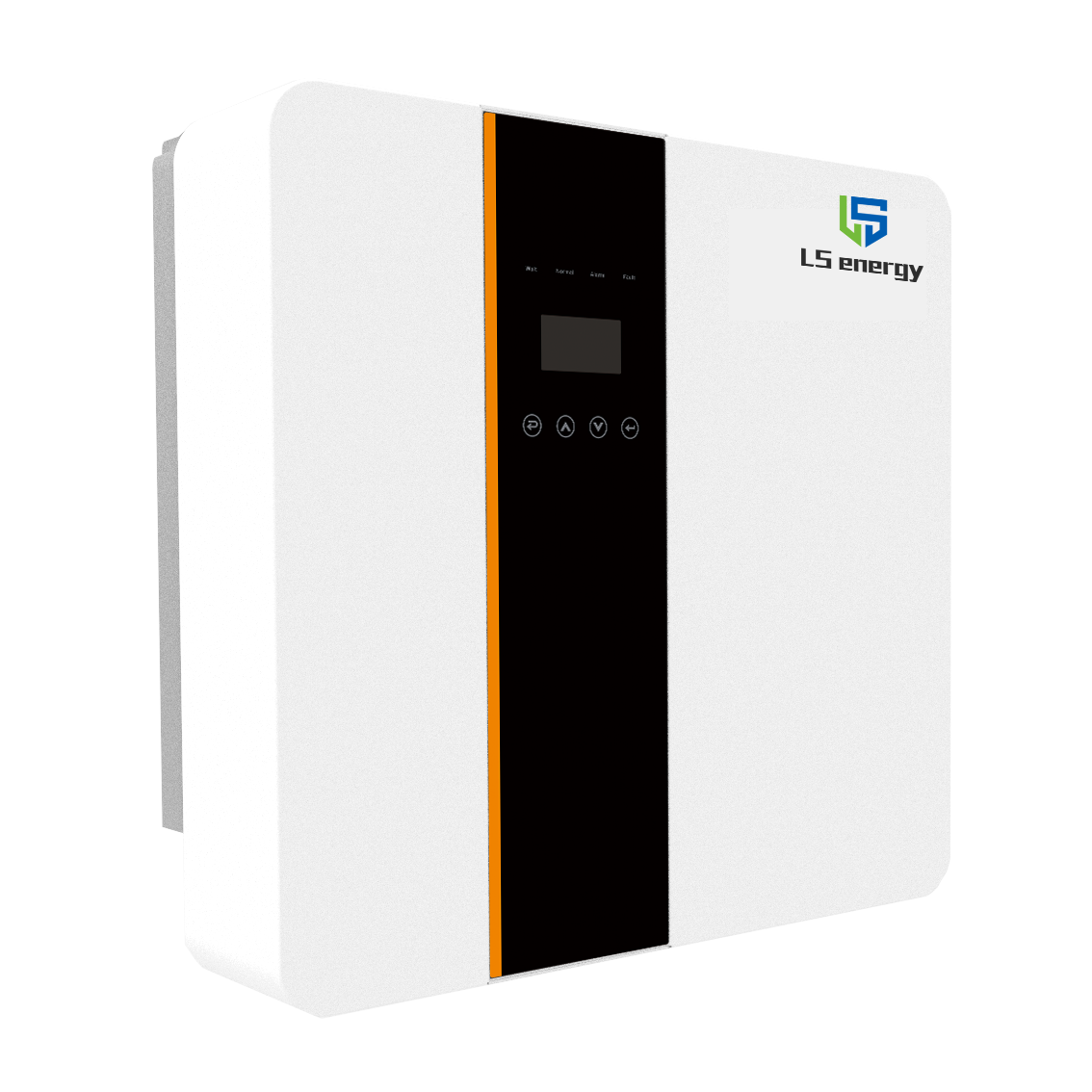
Energy Storage Hybrid Inverter (Low Battery Voltage)
2021-11-09
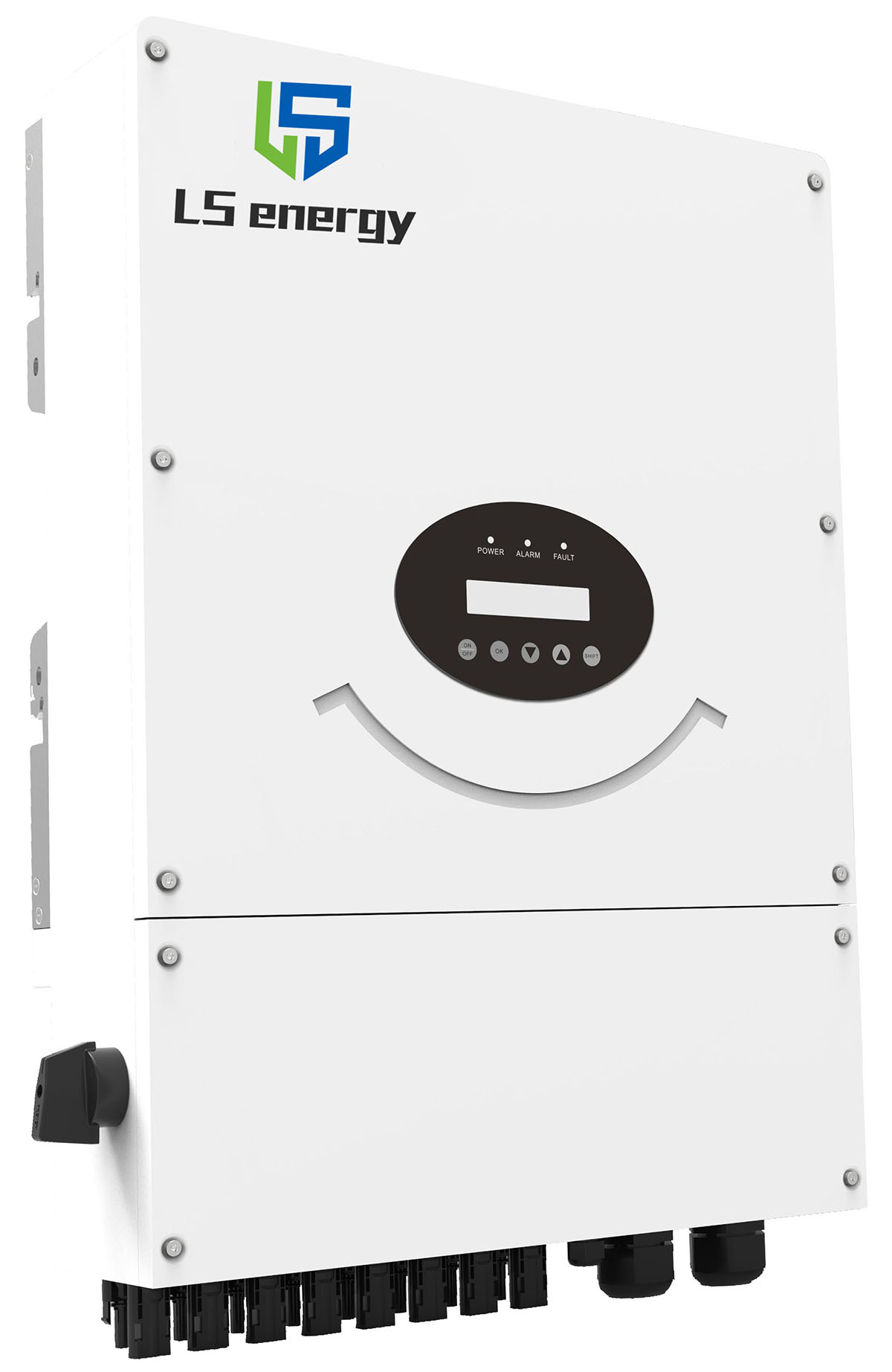
15-30kw water lifting inverter

2021-11-09
7.5-15kw water lifting inverter

2021-11-09
3-5.5kw water lifting inverter
2021-11-09
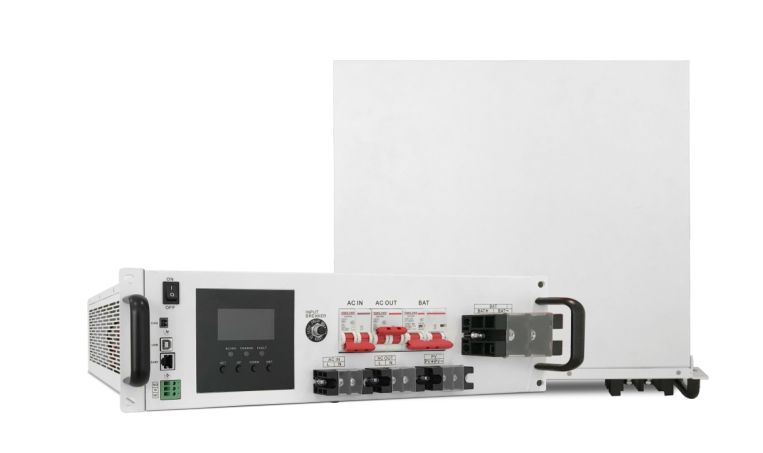
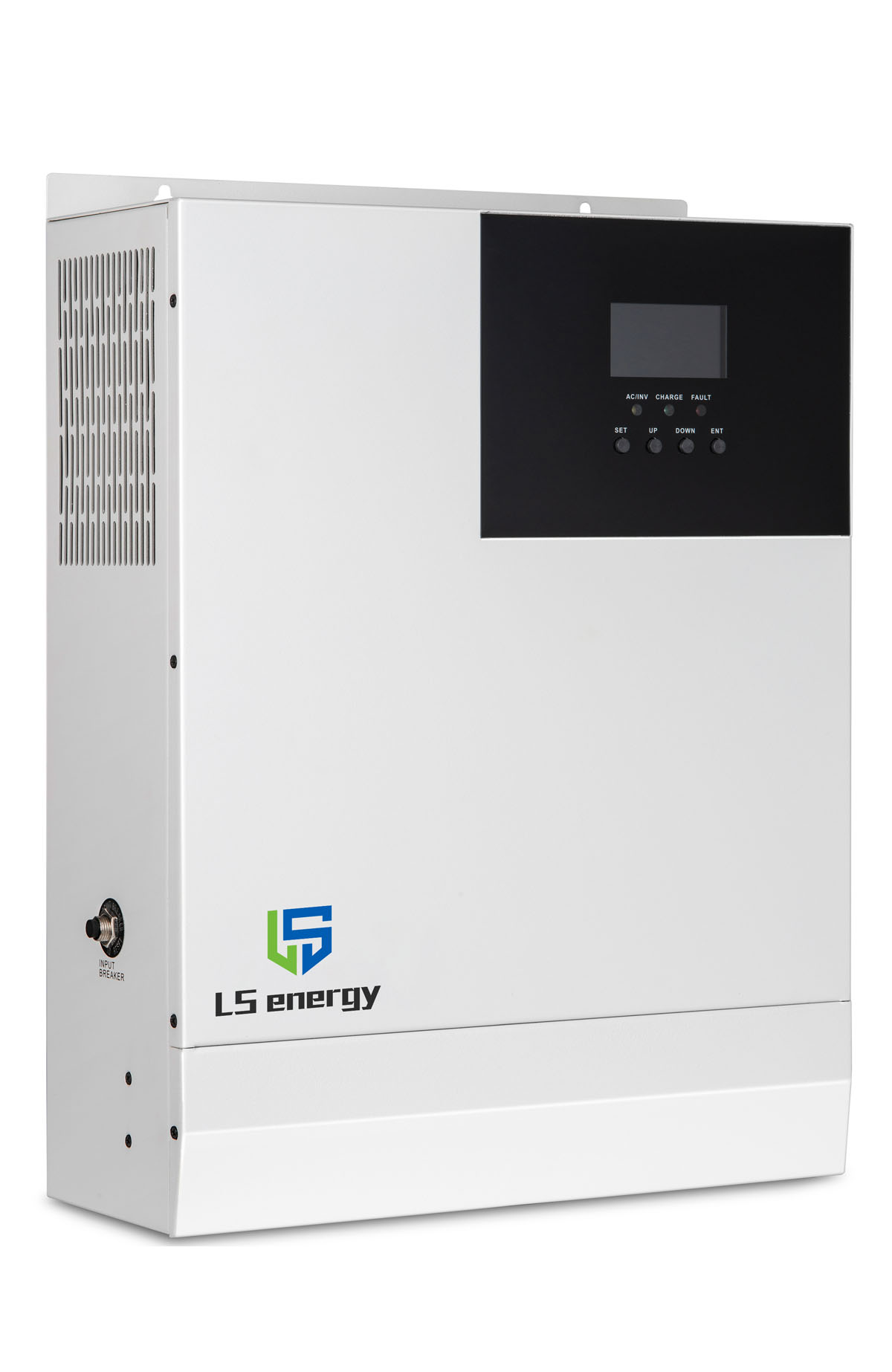
Horizontal high frequency off grid inverter
2021-11-09
High voltage high frequency off grid inverter
2021-11-09